
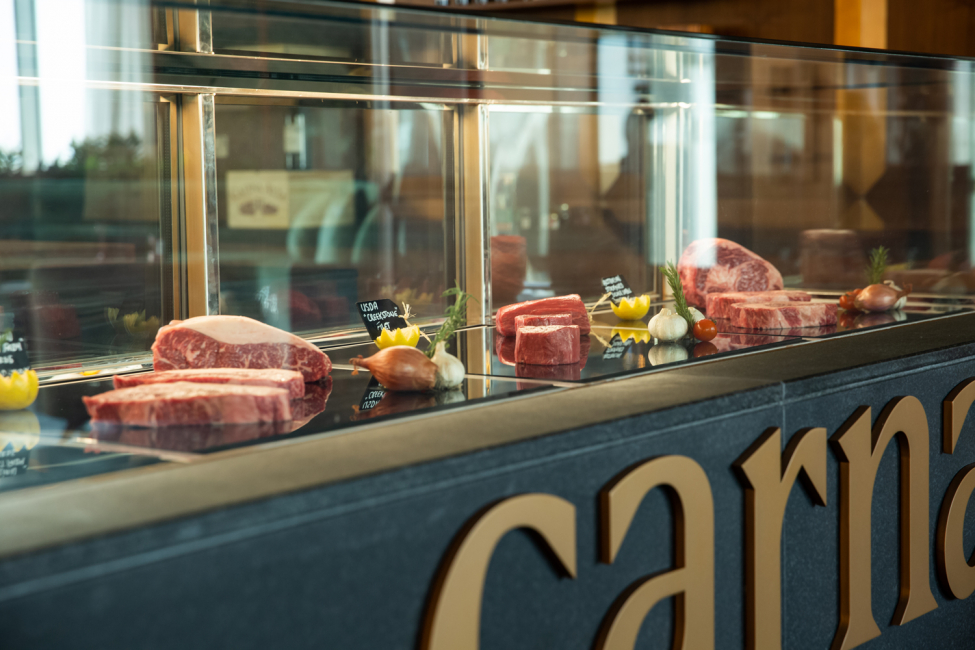
Celebrity butcher Dario Cecchini has opened his first Dubai restaurant in SLS Dubai. This one is definitely a must-try!
For more information visit: https://factmagazines.com/interview/fact-chats-dario-cecchini-butcher-and-restauranteur
Celebrity butcher Dario Cecchini has opened his first Dubai restaurant in SLS Dubai. This one is definitely a must-try!
For more information visit: https://factmagazines.com/interview/fact-chats-dario-cecchini-butcher-and-restauranteur
By FACT Magazines: A beautiful water park with amazing water features especially during this time of the year, it is nice to go out and not being overly to hot due to being in and out of the water.

Located on the bay of Mina Seyahi, Jungle Bay Waterpark is Dubai’s newest beachside attraction, boasting incredible sea views. Designed with Cycladic architecture in mind, Jungle Bay Waterpark exudes a clean, minimalist charm where Aegean vibes reign supreme. Blue and white colour tones are incorporated throughout the waterfront leisure destination, bringing a touch of Santorini to Dubai. As the name suggests, visitors can expect an abundance of lush greenery at Jungle Bay. best slides in Dubai best waterparks in Dubai
For more information visit: https://factmagazines.com/things-to-do/02-2021-a-new-waterpark-has-opened-in-dubai
#junglebaywaterpark #Factmagazines

The massage was amazing!!!!! One of the best that I had so far. Excellent and professional service.
For more information visit: https://factmagazines.com/spa-wellness/spa-review-pause-spa-chateau-berger
 Where The Magic Started
 Luxury Home Away From Home
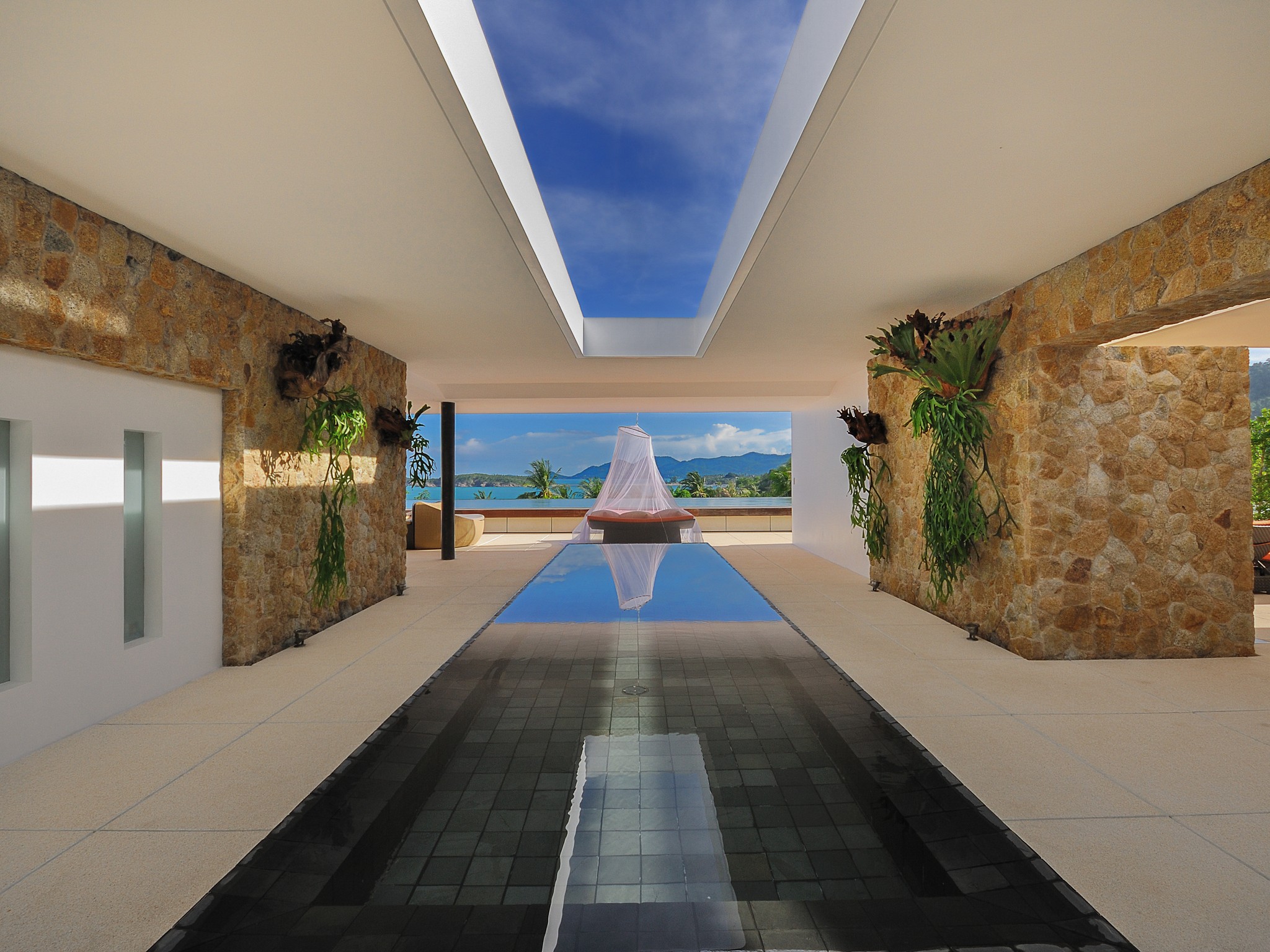
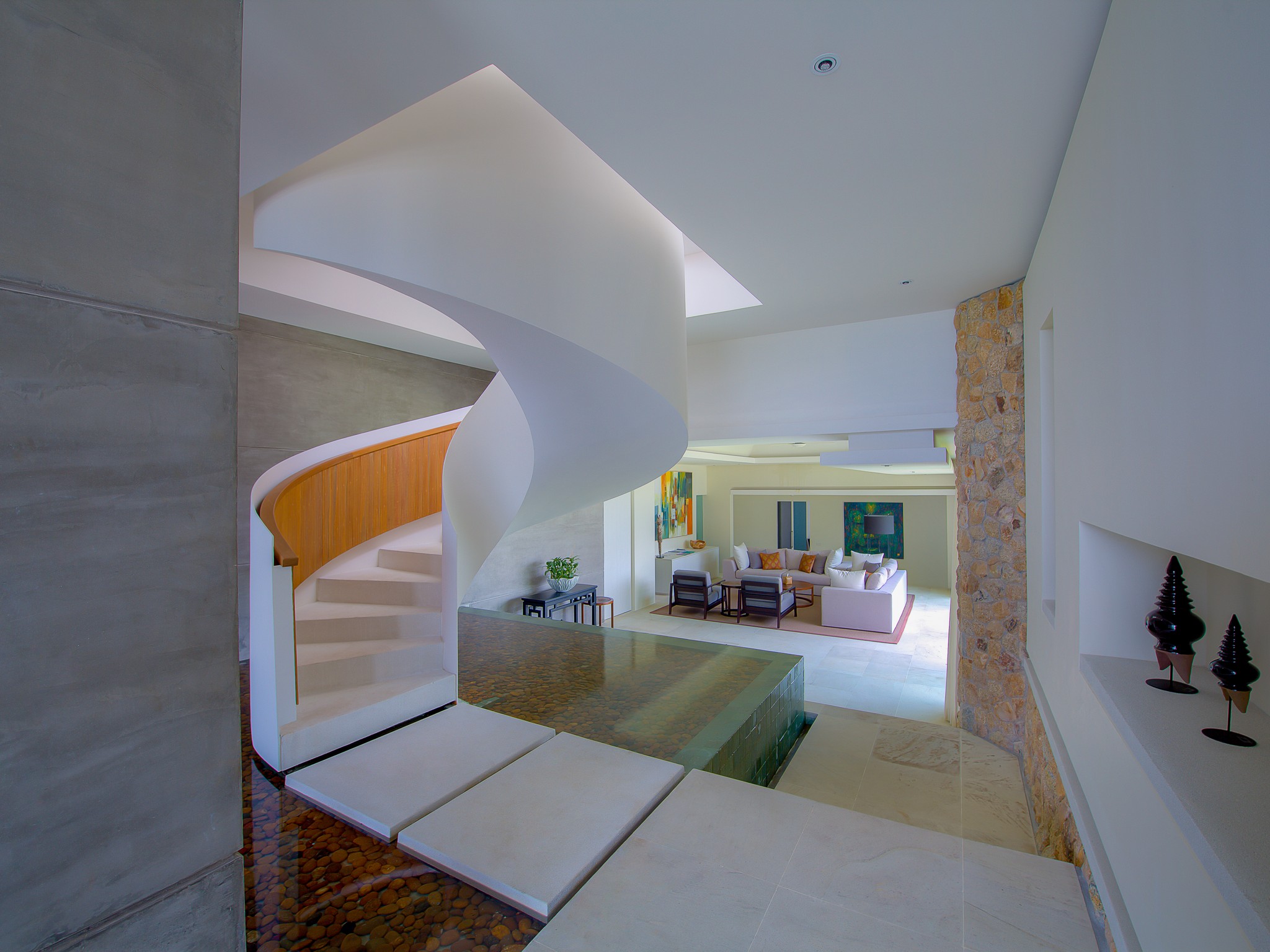 Set in the northeast of the island and only 10 minutes away from the airport, Samujana’s charming villas offer modern Thai architecture and breath-taking views. Each of the 26 villas comes with its own private butler and 24-hour hotel services.
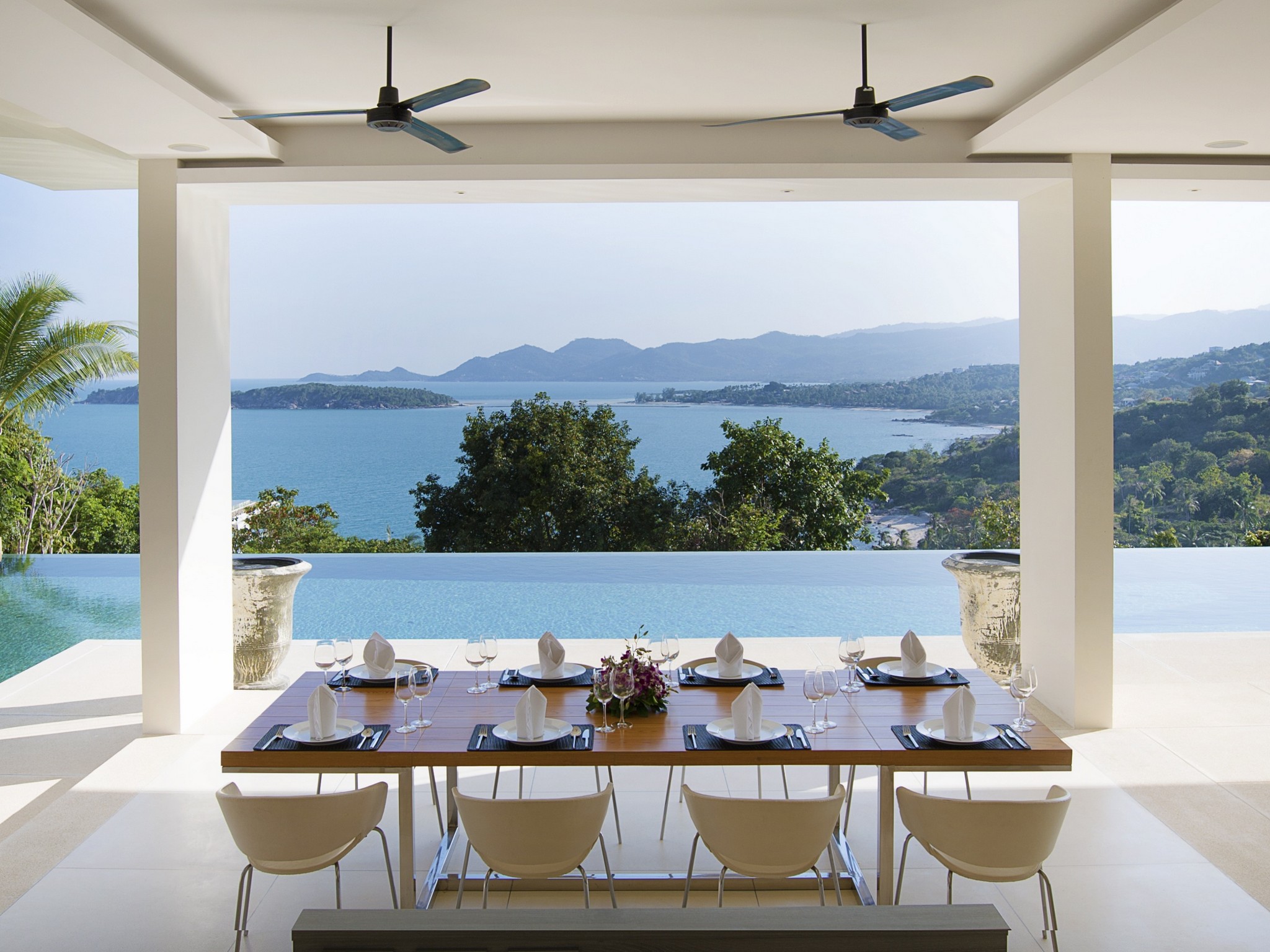 Our days were spent in pure relaxation watching movies in our private cinema and tanning at our private pool while our choice of food was being prepared on site by the very friendly and efficient private butler. A service that we absolutely recommend every traveller to experience when visiting Thailand – and Samujana gets it just right.
 Ranging from three to eight bedrooms, with airconditioning throughout, fully-equipped kitchens and reception rooms with state-of-the art multimedia and sound systems, Samujana really provides an unparalleled luxury experience with one motto: “Your Place. Your Time.” True to these words, we felt like time had stood still and we were in a bubble of comfort taking things easy and REALLY relaxing, disconnected from the outside world and our digital devices.
 Many villas also include jacuzzis, private gyms, pool tables and private spas, making it the perfect place for friends and family to gather and have a great time. Those looking for the utmost privacy will appreciate the in-villa facilities, especially when all you want to do is take it easy and spend quality time with loved ones.
 Adventure-seekers Unite
 As for the activities involving water, we would recommend Ang Thong National Marine Park which is the perfect location for watersports fans. Many tourism agencies offer day trips to the park on which you can kayak, snorkel, hike to viewpoints and relax on gorgeous sandy beaches. It’s a place made for both active thrill-seekers and laid-back sun worshippers laid-back sun worshippers. Just a couple of miles away from Samujana Villas, you can also find one of Koh Samui’s most popular sandy strips, Chaweng beach. Chaweng stands out for several reasons, it is the most lively neighbourhood in Koh Samui; it is geared towards those who love to party and socialise. Once it gets dark, Chaweng has the liveliest party scene in Koh Samui which is also unique as most of the bars and clubs are along the beach. You can party all night and then leave the club and lay on the beach in the early a.m. – a set up that was appealing to droves of visitors.
 For the magical sundowner vistas of Chaweng we recommend the Jungle Club. This is a nice setting along a lush jungle hillside where you can relax on bean bags and have a light snack overlooking magnificent views of the shoreline and blue waters below. Don’t forget your camera for this is one of the most spectacular views I’ve witnessed in Thailand.
 Words Can’t Describe
 FOR RESERVATIONS AND MORE INFORMATION
For more information visit: https://factmagazines.com/travel/an-everlasting-dream-samujana-koh-samui


Chef Nobu: So now we finally have the Nobu Doha! I’d like to introduce our staff and of course, our food with such a spectacular setting for the restaurant. What can I say? Introduce more of my food!
Robert De Niro: I’d just say: come, it’s good food!

Chef Nobu: No. I’ve been here a couple of times before, maybe four times. We have restaurants in Dubai, so I jump on over here to check that everything is ok.

Chef Nobu: I know very little about it. Every time I come here, it’s all about Nobu and re-grouping with the staff and making sure the project is heading accordingly.

Chef Nobu: I learn from Robert all the time. He always has new and different ideas to mine – unique ones. If it’s an idea we like, we go on with it. I don’t know if he learns from me!
Robert de Niro: Not much!

Robert De Niro: It was four years since I pitched him the idea and for the restaurant to be ready. It took about a year to come up with the concept, build the restaurant and so forth. It was a logical amount of time for all the steps to get to the finishing point.
Robert De Niro: I created Tribeca Grill, and partnered with Drew Nieporent. He had a good restaurant at that time, probably a three-star one for New York standards in Tribeca film center. I thought he could be of help for Tribeca Grill.

Robert De Niro: We are! In fact in Riyadh and Bahrain. We’re also opening one in London, Miami and a lot of other places.

For more information visit: https://factmagazines.com/interview/fact-chats-robert-de-niro-and-chef-nobu-matsuhisa


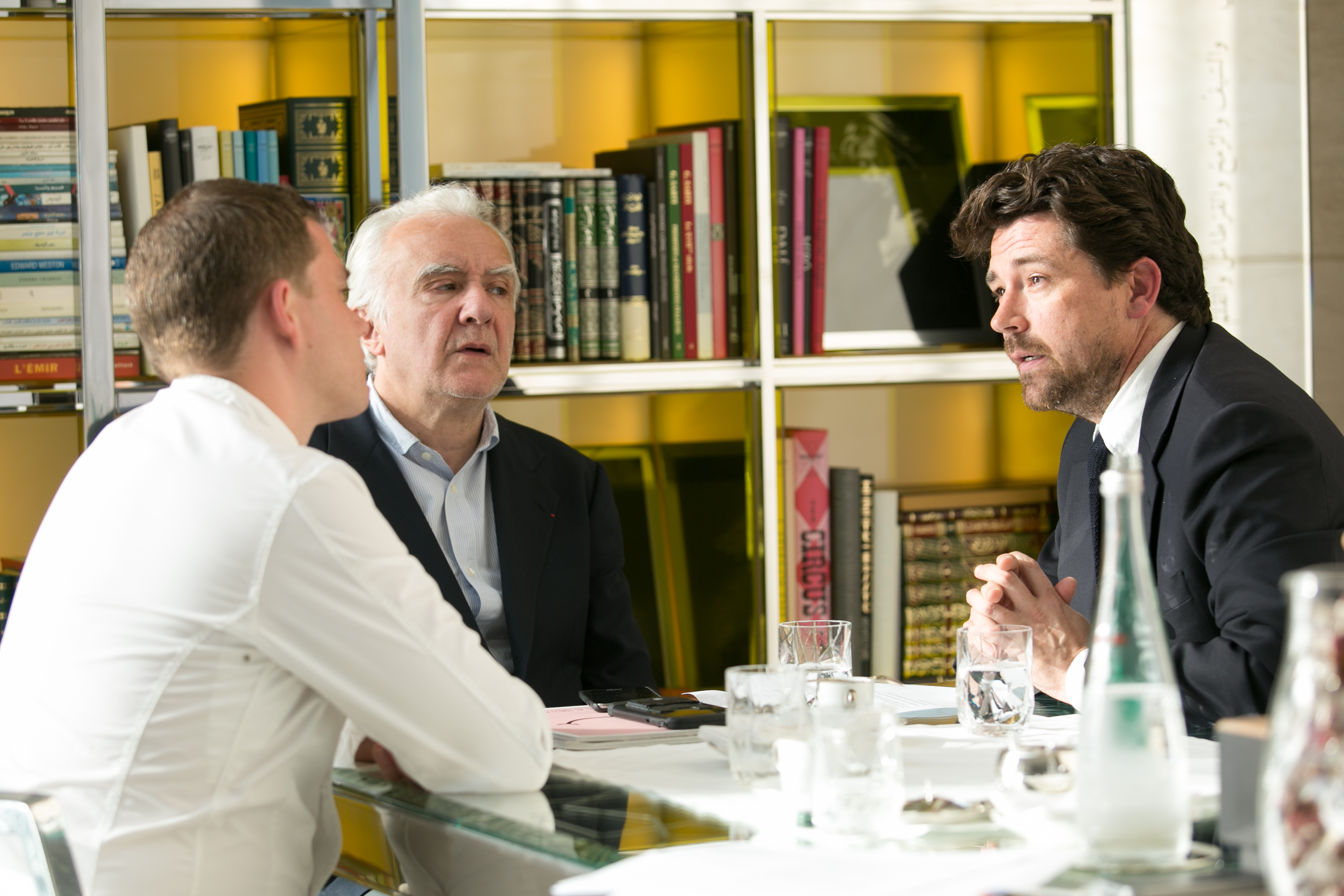
How did IDAM start?
First, I like exceptional venues and if I wasn’t a cook, I would have become a traveler or an architect. Also when I was offered by to develop a restaurant by Sheikha Mayassa Al Thani with my fellow friend and designer Philipp Stark in the iconic MIA, designed by architect Pei, it couldn’t have been more exiting. IDAM was born at the crossroads between two very strong concepts—integrating an iconic landmark and a restaurant offering a cuisine which appeals to local people.

Indeed taking into account local tastes, without straying from the French cuisine techniques was my challenge. It was more about seducing the local clientele, than the expats.
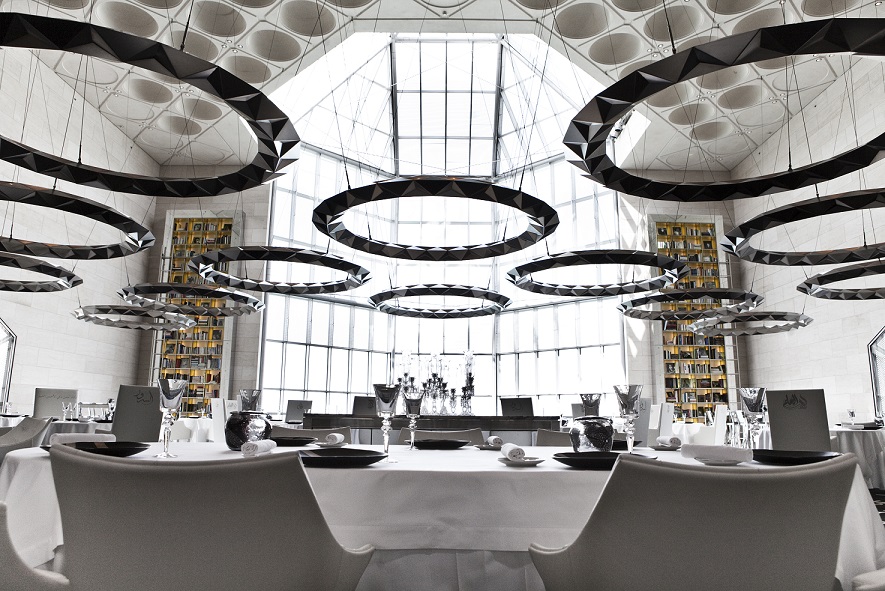
How would you define the cuisine at IDAM
At the beginning Sheikha Mayassa Al Thani wanted to build a menu around seasonal vegetables from Mediterranean and Middle-East region. We integrated influences from Morocco, Lebanon and India (in particular) to create a cuisine based on contemporary Mezze— the key element was the fusion between local flavours and techniques of French cooking. As I like to say, I’m a local chef with a global expression.
In a nutshell we can say that IDAM is still a contemporary French haute cuisine as per its DNA offering Middle Eastern flavors to seduce local palates.

Is Adaptation the key of success in your industry?
Yes, when I go somewhere, I don’t impose: I propose.

What is the common denominator between all your restaurants across the world?
Refinement, elegance are the keywords. A cuisine based on local flavour and in osmosis with its environment and a cuisine that never mislead the DNA of traditional French cooking—the art of preparing food, the art of cooking and seasoning, harmony between containers and foods, peering between food and drink, just to name a few.
One other common denominator seemed to be the ongoing search for the most unparalleled locations in world famous landmarks. Less fat, less salt, less sugar, more seasonal products and vegetables.

Speaking about vegetable, can you tell us more about your signature dish named cookpot?
Yes the Cookpot has become one of my signature dish with the idea that over time more attention must be given to cereals, grains and veggies. It is a universal dish and we should decrease the amount of protein we eat and respect our environment.

Are you opening a restaurant in Dubai?
Yes, it is new concept called Mix and is due to open at he Emerald Palace Kempinski Hotel Palm Jumeirah soon. In Dubai everything is different, the population consists of expats from different cultures and backgrounds. We will open a multi-faceted venue with a bar, a roof top lounge, and some restaurant concepts, all under one roof.
It is based on a concept we open 13 years ago in Las Vegas. We are also planning to open soon in Macau and Singapore with the same concept.
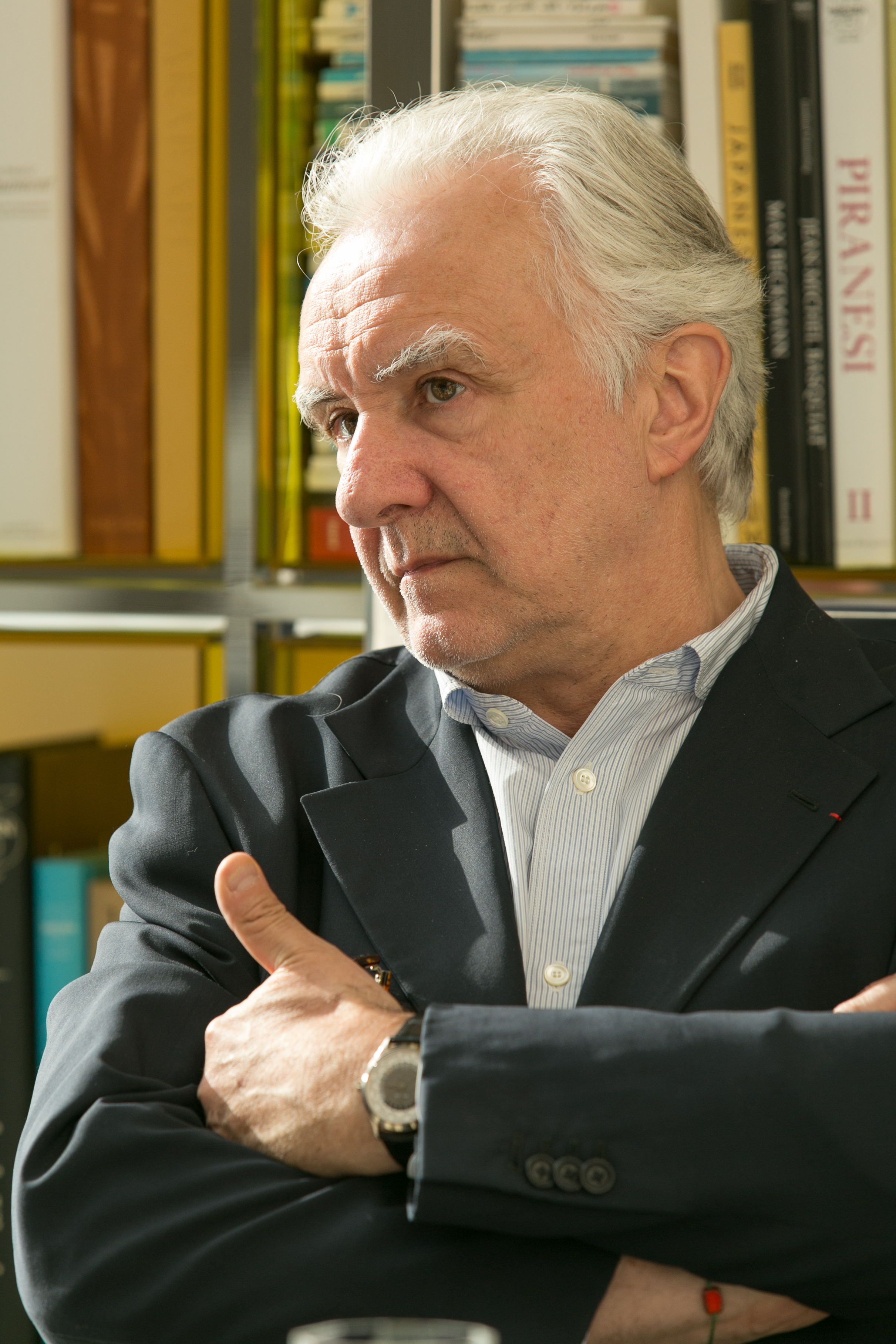
Which other great chefs do you admire?
Yes I like the work of Brazilian chef, Alex Atala who sources products directly from The Amazon. He discovered new species of animals and plants over the past four years in the vast Amazon rainforest and we don’t even know if some of these products are comestible or not. It means there are still unexplored destinations fit for culinary lovers!
And you have Gastón Acurio, the super chef who put Peruvian cuisine on the world map and who used gastronomy as an important factor of economic growth in South America.
These two chefs deserve some recognition for their amazing effort, one because he is hunting new species in The Amazon and the other one for his honourable role model in promoting local economy across the world.

What is your motto?
Never cease to work more, faster, and better—that’s my rule.
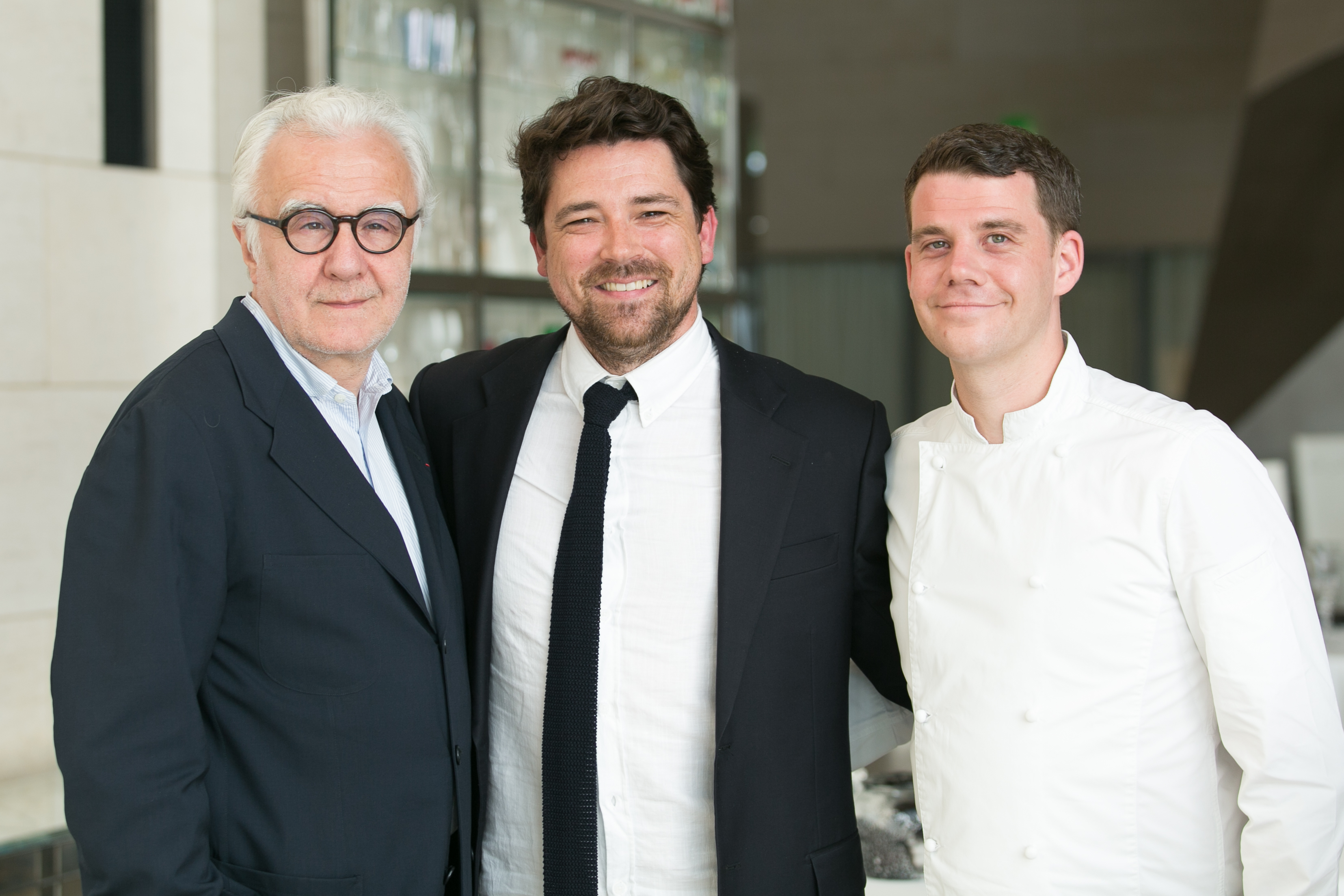
For more information visit: https://factmagazines.com/interview/fact-chats-alain-ducasse
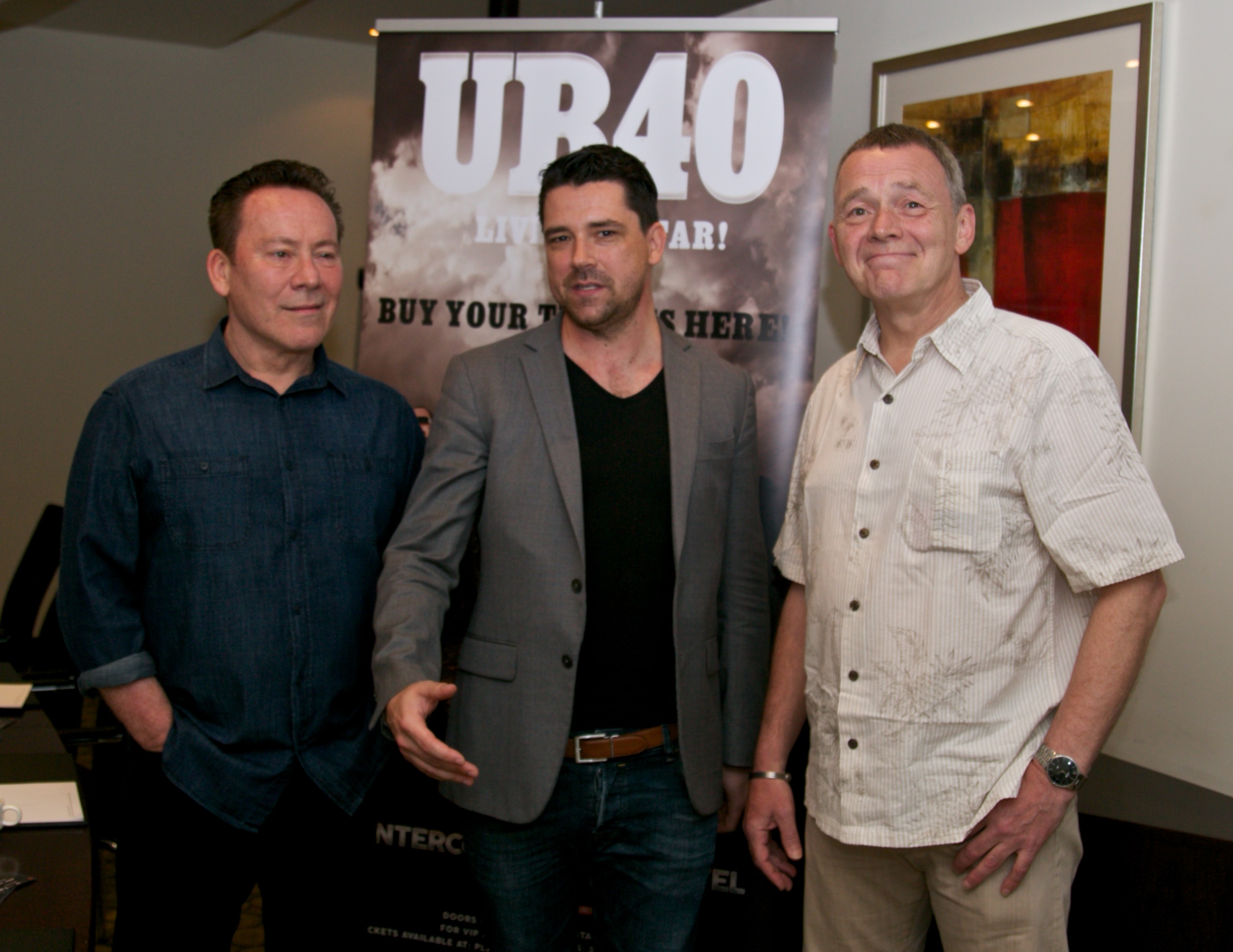
UB40, definitely one of music’s most iconic band of the 80’s and might be the most prolific bands I can think of. Since their inception in 1978, the band named after the unemployment benefit form, has sold over 100 million records, released over 30 albums, gave us instantly-recognisable tracks such as ‘Red Red Wine’ and if all this was not enough they plan to release a new record in 2016 !
Brian Travers, the master mind behind the band, chats with Publisher Edward Smith about the band’s golden years and how they keep it fresh after so many years.

What sort of set can people expect in Qatar? The classics or new material?
BRIAN TRAVERS: First let me introduce myself, I’m the saxophonist of UB40, I write songs, I’m a composer, an arranger and I’ve had the luckiest of lives! (Let me pitch myself!) We are primarily a live band – making records is OK but can be a bit boring. We’ve made 30 albums so far and I’ve personally written about 200 songs, so we have a wide range of songs. However, because we haven’t been in this region for a while (nearly 12 years) we have to play lots of hit records.

Are you planning some other gigs in the region?
BT: Not this time. We are actually in the middle of making an album.
Could you tell us more about this new album?
BT: Well, we’re not just focusing on one style exclusively! I’m a politically oriented man and when you have this privilege to be on a platform to talk to people, we feel it’s good to create something worth listening to. This album is a political one and we are talking about our humble roots firmly planted in the working class in the heart of Birmingham, where we all come from; especially at a time when everything is about money and the world is so materialistic!

Are you going to integrate some country music like you did in one of your previous albums?
BT: No I think the new album will be UB40. Yes the album you’re talking about is ‘Getting Over The Storm’ and it was a country-influenced album. Yes some people are a bit against country music in Europe, but you know if you are in countries like Jamaica country music plays on the radio and a lot of reggae songs you may know come from original country songs written by artists like Willy Nelson.

You say you haven’t got a particular style, but how would you define your music to people?
BT: I’d say we are a reggae band. When we were kids we all grew up together right in the middle of Birmingham which is an industrial city and obviously, a poor city. At that time the city saw a lot of people coming from the West Indies Islands, like Jamaica or Barbados and they didn’t have televisions, so records and music were the only thing they had to express and live their culture. Reggae music was playing in all the night clubs in our area, so all our inspiration came from reggae artists even before Bob Marley, like: Dennis Brown or Gregory Anthony Isaacs to name a few. And even before that we were listening to Rocksteady and Bluebeat. Reggae was part of the youth culture back then. If you were into reggae you were not into rock and vice versa.

Which of your songs do you love the most?
BT: Always the most recent ones, but I would say songs from the ‘Getting Over The Storm’ album, as I wrote all the original songs for it. But it is always the ‘Lightly’ songs that tend to be my favourite—I wrote a song called ‘Blue Billet Doux’, (see I’m a francophone in many ways!) I love this song even though we didn’t play it often but I got a lot of compliments for it.
Is there any place in the world you haven’t been to yet? Have you played in China for instance?
BT:
I’d like to play in Beijing or Shanghai one day. We’ve toured places most bands have never toured. We toured all over the world, even in Russia in 1986 before Glasnost and Perestroika and we played in India to 2 billion people on national television and it was crazy!
By Edward Smith
Is it your first time in Qatar?
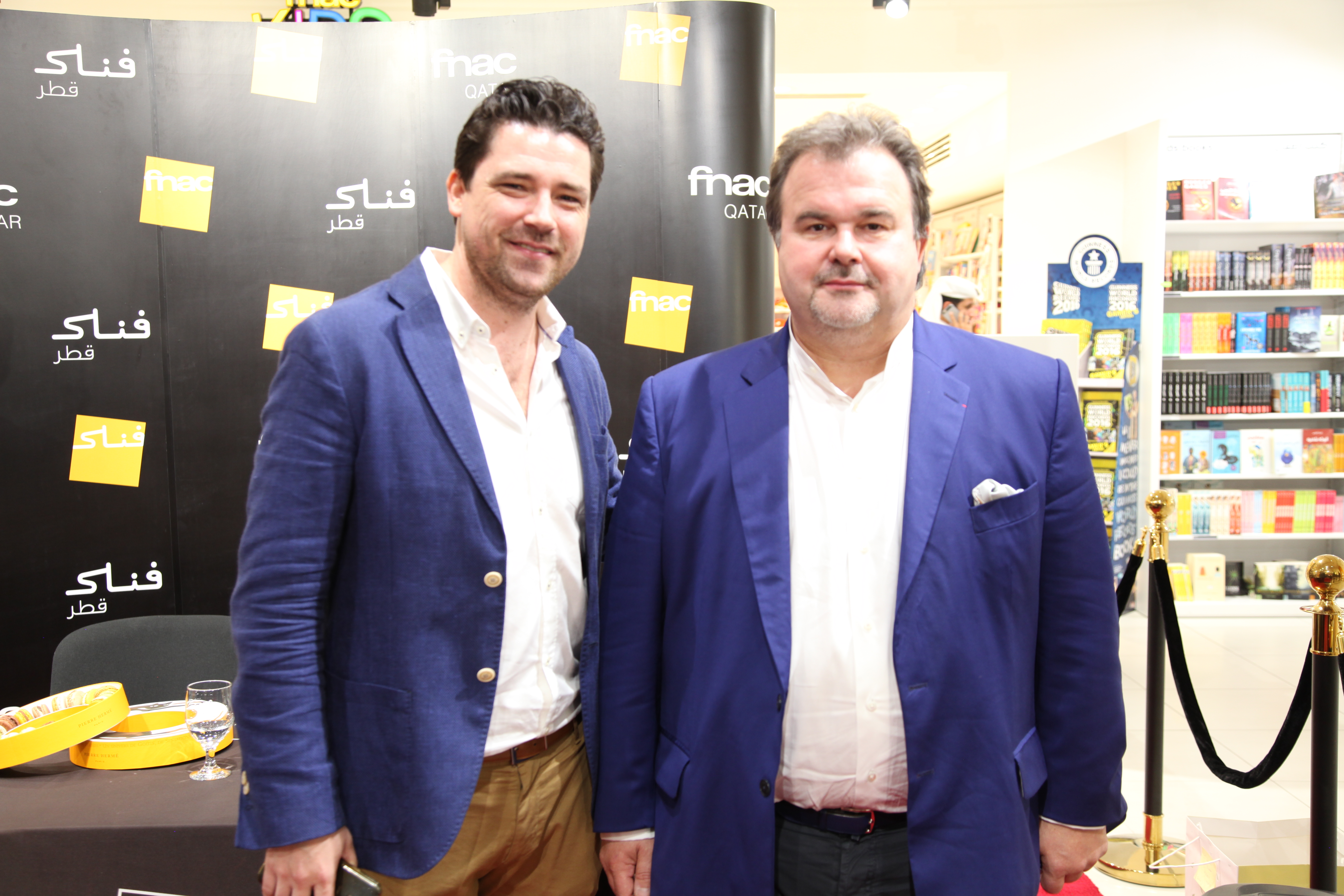
PH. No it is my second time. I came here before when we were looking for a retail space and to discover Qatar for the first time.
Your local partner is the Darwish Group. Can you tell us more about your relationship with the Darwish family ?
PH. In fact, this is the story of an encounter with people who are passionate and understand what a brand identity is and who know about the brand- development process with a long-term vision in mind. This was what thrilled us when we met with Majed and Jassim Al Darwish—they are successful entrepreneurs with long-term goals and objectives.
What makes your macaroons unique and better than that of your competitors?
PH. I think the taste is our standout quality! It is a potent mix between a powerful flavour and creativity. We always release new flavours or present some new combination of flavours. Nonetheless we also develop unique flavours such as infiniment vanille, rose and caramel— I like to work with one flavour and go in very deep and keep pushing it to its limit.
You are indeed famous for your very innovative, sometimes unlikely, flavour combinations —like the macaroon with Foie Gras or Green Peas —are these some deep-held fantasies or it is part of a serious culinary experiment?
PH.The green peas in macaroons are not something random. On the contrary, the mix between green peas and menthe is a traditionally recognised combination. The green pea is the sweetest vegetable of its kind—sometimes they’re cut out of diets for being too sweet! So it is an obvious combination for me and if this kind of unusual association can bring fun and pleasure at the same time we accomplished our mission.

How many stores does PH have worldwide?
PH.We are currently operating in 11 countries; there are around 47 boutiques around the world, and 600 employees.
How you manage to maintain quality control throughout the different Hermé stores throughout the world?
PH.When you are going to LV or Hermes are you asking them how they manage to maintain a certain quality consistency? Here it is the same story because it is also a know-how. To be a pastry chef you need to be highly organised and consistent in order to transmit your techniques or your know-how—it is the essence of our development—we should be able to transmit and preserve our heritage.
How can you guarantee that the same product being sold in Paris and in Doha will have the same taste?
PH.The trick is the fact that the product we are selling in Doha is also the product we are manufacturing in France—they are both the same product (laughs). Every single product is made in France!
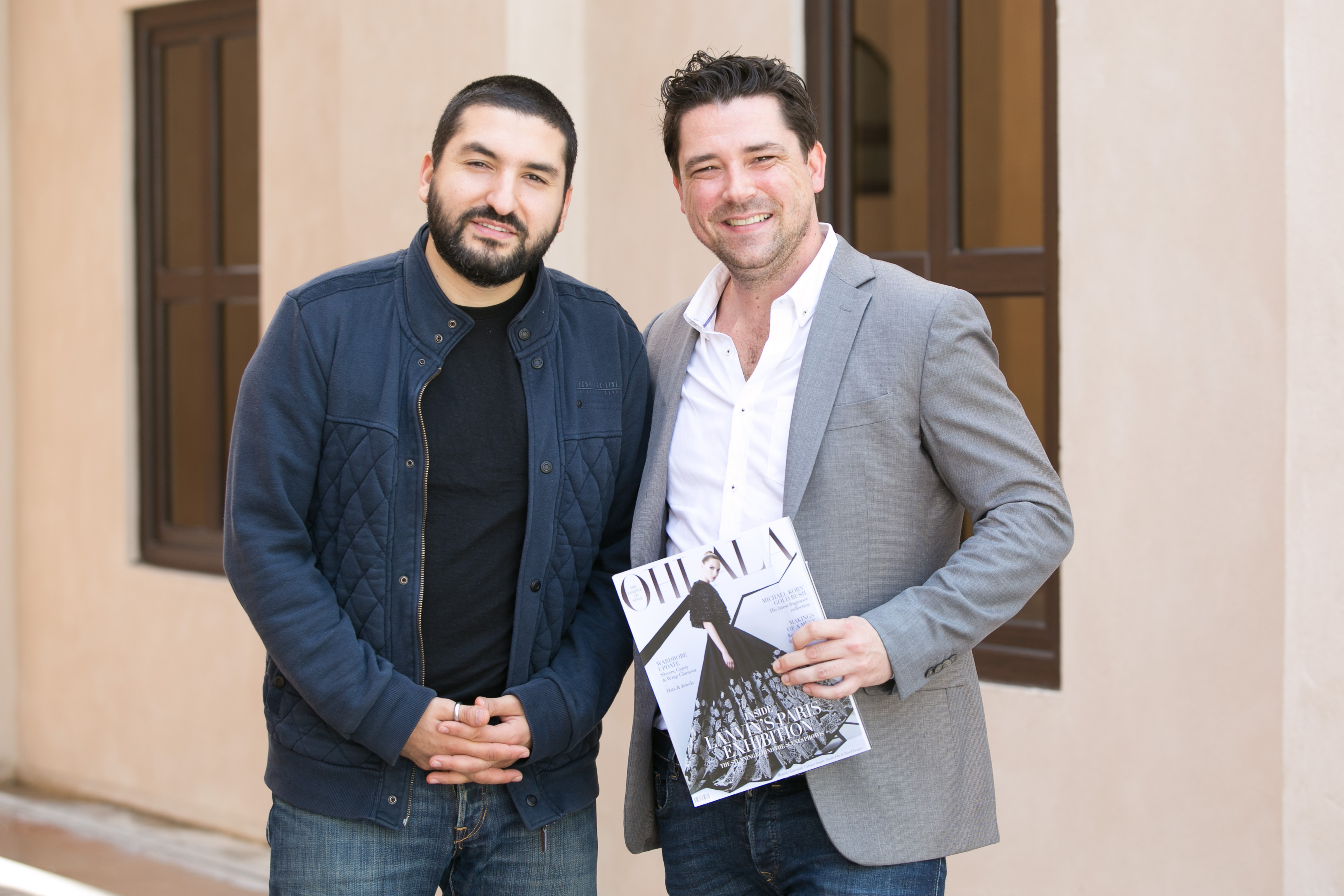
Interview for FACT magazines. “Performing live music is a way to connect with people, to share emotions with people. It is an exhilarating experience when you feel you are being loved by others.”

Ibrahim Maalouf is one of the only musicians in the world who plays the quarter-tone trumpet, created by his father in the 1960s. During his stay in Qatar in November 2015, where he was presenting his latest album, Kalthoum and Red and Black Light, Edward Smith (Publisher and Owner at FACT Magazines) had the chance to meet him and ask a few questions…
Born in Beirut, but now residing in Paris, Ibrahim Maalouf is a virtuoso of the quarter-tone trumpet, which enables him to work with the ‘maqam’, or system of melodic modes, in traditional Arabic music. To say he is accomplished would be an understatement.
Hi Ibrahim, so you are a trumpet player, composer, arranger, producer, you even teach music improvisation. Can you tell us more about improvisation?
So … do you have two hours? (Laughs) It is very interesting, as it is teaching someone how to transcend pre-established rules as improvisation. It is inventing something on the spur of the moment. There are very few musicians, including classically trained musicians, who improvise because it is not taught or encouraged in classrooms. In fact it is quite nice to teach someone how to be free. It is like a lesson about freedom but through music education, so it’s very exciting. There are many evident parallels between speech and music, you know when people talk over each other or when we don’t listen to each other, often you are hearing but without listening. Therefore the music lessons are not a life lesson per say, but a lesson on living together in a society or as a group.
You are both Lebanese and French and have collaborated with many people of many backgrounds. In some way you are a symbol of mixed-race and plural identities in modern France. What would you like to say to some people who, in France, think that identity is based on skin color?
It’s difficult to choose the right words when talking about this type of topic. When my dad was listening to me playing music with Western influences, he got scared I would lose my Lebanese or Arab roots. However I managed to convince him that it was the opposite—it was not me who was changing but the Arab culture which has evolved over the years—like all other cultures did, gradually, over centuries. Although it is fine to refer to the origins of a civilisation, you cannot deny that heritage is something alive that is constantly evolving. People who deny this dimension will have difficulty to bear the evolution of our world. To those people, I want to say, open your eyes, your ears, accept the world is changing and don’t be scared if your heritage is being transformed—we are promoting it and giving it a new soul. On the contrary, join us in this process so we can certainly keep a certain level of traditions despite changes. In the history of all great civilisations you find this blend of culture and the concept of borrowing ideas from abroad.
Your father (Nassim Maalouf) revolutionised the trumpet by inventing the four-valve trumpet—most just have three.
Could you explain in simple terms what he invented exactly?
In Arab music you have modes that we call the ‘makams’ which are modes with quarter-tone intervals, and these modes opened the door to incredible possibilities and unlimited combinations. It allows you to play Arab scales on the trumpet, something that was impossible in the past. A classic trumpet is like a piano keyboard – it allows half tones only—C, C sharp, D, D sharp etc. So my father added a fourth valve – that allows the player to lower each note by a quarter-tone—then we can play the makams on a trumpet. What is interesting here is that he invented the only Arabic instrument. My father basically built the bridge between trumpet and Arabic music and I inherited from him and today I’m carrying the mantle of my father.

Ibrahim, it seems you had a curious love/hate relationship with the trumpet. What is the current situation?
No seriously, I really like this instrument. Initially, as it was my father’s instrument I had difficulty to claim ownership of it. Moreover I became wrapped up in a very competitive mindset, with an obsession with winning. I had to achieve more than my father has achieved even though he went to the Paris Conservatory. I was someone who looked like an athlete. On the other hand, I was composing, playing music, inventing new songs but only in the intimacy of my bedroom while my career as a ‘musician’ consisted only of music contest and winning prizes.
Do you like live performance ? Do you like the contact with the public?
Yes, performing live music is a way to connect with people, to share emotions with people. It is an exhilarating experience when you feel you are being loved by others. It sounds a bit cliché but I seek for love when I play music. For me the music is something very intimate, when I was a kid and I got to France to escape the war in Lebanon. I used to take refuge in music as I couldn’t speak French nor communicate with others.

Sometime when you play your four-valves trumpet on stage
it literally sings through the horn with the eloquence of Edith Piaf or Nina Simone. It is like Jimi Hendrix who could make his guitar sound like a female singer’s vibrato. What kind of things do you say through your music?
My music is never conceptual or aesthetic, it is always about myself and my everyday life. The music I’m performing on stage or in studio is music I have in my mind for years before I release them to the public.

Can you tell us a little more about your latest album, Kalthoum and Red and Black Light ? Why a tribute to the Egyptian Diva?
I grew up listening to Oum Kalthoum. Before bedtime my dad used to always play Oum Kalthoum as each song lasts more than one hour. She is part of my language, I know her songs by heart and I’m a big fan. I know for most of the Arabs of my generation Oum Kalthoum sounds old fashioned and I wanted the public to rediscover the beautiful melody of her repertoire by reinterpreting some songs using Jazz as a more modern musical language. I’m using the original melody, I’m playing the trumpet in the exact way she used to sing – it is more or less a remix or a remastered version to give it more of a modern twist.

For more information visit: https://factmagazines.com/interview/fact-chats-ibrahim-maalouf-the-hendrix-of-trumpets
 uaefoodie.com